EU PPWR Compliance FAQs 2026: What Sellers Need to Know
 VATAi
VATAiLess than three months remain before key PPWR requirements begin applying across the EU. Marketplaces including Amazon and AliExpress have already started issuing compliance reminders, while a growing number of sellers are rushing to complete packaging EPR registrations. Due to the sharp increase in applications, registration reviews in many EU countries are already facing significant delays.
In this guide, we break down the most common misconceptions surrounding PPWR and explain what sellers should do now to stay compliant before the final compliance window closes.
What is PPWR?
PPWR stands for the Packaging and Packaging Waste Regulation. Starting from 12 August 2026, anyone selling packaged goods in the EU must complete PPWR registration via a local Producer Responsibility Organisation (PRO) in the relevant member state and fulfil all EPR (Extended Producer Responsibility) obligations. Non-compliance will result in penalties including product suspension, delisting and fines.
Who is required to comply?
Many sellers have unclear understanding on this matter. In fact, if you sell packaged goods in an EU country/region for the first time, you will be deemed a producer and are obligated to complete local PPWR registration and meet EPR requirements. This rule applies to manufacturers and importers alike, regardless of whether your company is registered within the EU, or whether you sell via cross-border marketplaces or ecommerce websites.
In short, nearly all cross-border sellers that sell packaging materials or packaged products qualify as producers under this regulation.
PPWR is a unified EU regulation, is it sufficient to register in only one country?
While PPWR applies across the entire EU, EPR implementation is managed independently by each member state. This means different registration bodies, fees and reporting cycles apply from country to country.
You must complete separate packaging EPR registration in every EU country where you make sales. For example, if you sell goods in Germany, France, Italy, Spain and the Netherlands but only register in Germany, you will be deemed non-compliant in the other four countries. Consequences include:
- Product delisting and sales suspension
- The loss of Amazon Pan-European (Pan-EU) benefits, and the affected products may not only face listing suspension.
With 3 months left before PPWR takes effect, is it too early to start preparations?
This is one of the most risky misconceptions. Key provisions of PPWR will officially come into force on 12 August 2026. Currently, packaging EPR registration is facing massive backlogs in France, Spain, Italy, Belgium, the Netherlands, Sweden, Poland and many other EU countries, with review cycles extended to four months or longer.
Our recommendations:
- Sellers who have placed orders with VATAi shall submit documents promptly to seize the final compliance window.
- Those who haven’t initiated registration are advised to start immediately. Earlier application means earlier approval, which will help avoid prolonged sales suspension due to non-compliance.
If orders are generated even though the marketplace site is not open, is compliance not required?
If you have orders delivered to any EU member state, you must provide a valid local packaging EPR registration number and fulfil relevant EPR obligations.
Failure to submit a valid PPWR registration number for the destination EU country may result in restrictions on your future sales to buyers there.
PPWR is set to take effect in August. Do I need to comply if selling to Turkey, an EU candidate country?
No compliance is required. EU regulations do not apply directly to Turkey. PPWR is enforced across the 27 EU Member States, as well as the EEA countries: Norway, Iceland and Liechtenstein.
Is a Spanish local tax ID not required for Spanish packaging law registration?
A local tax ID is mandatory. Under current Spanish laws and rules applied by major platforms including Amazon, you cannot complete compliant packaging EPR registration without a Spanish VAT number.
In Spain's regulatory framework, the VAT ID (NIF) serves as a business tax identification number and is a compulsory prerequisite for packaging registration. Pursuant to relevant Royal Decrees, the core principle of EPR is the "polluter pays" rule. Authorities need to clearly identify the party responsible for packaging waste generated within Spanish territory.
There are two core reasons for binding a VAT number:
1) Identify the responsible party
The Spanish Ministry for Ecological Transition and the Demographic Challenges (MITECO) and the Tax Agency identify operating entities solely through their VAT numbers, making environmental responsibilities traceable and verifiable. Without a VAT number, the responsible party cannot be located.
2) Ensure complete fund tracking
Annual packaging waste contributions must be paid via corporate bank accounts or verified tax identities. Without a VAT number, relevant environmental charges cannot be properly recorded and audited.
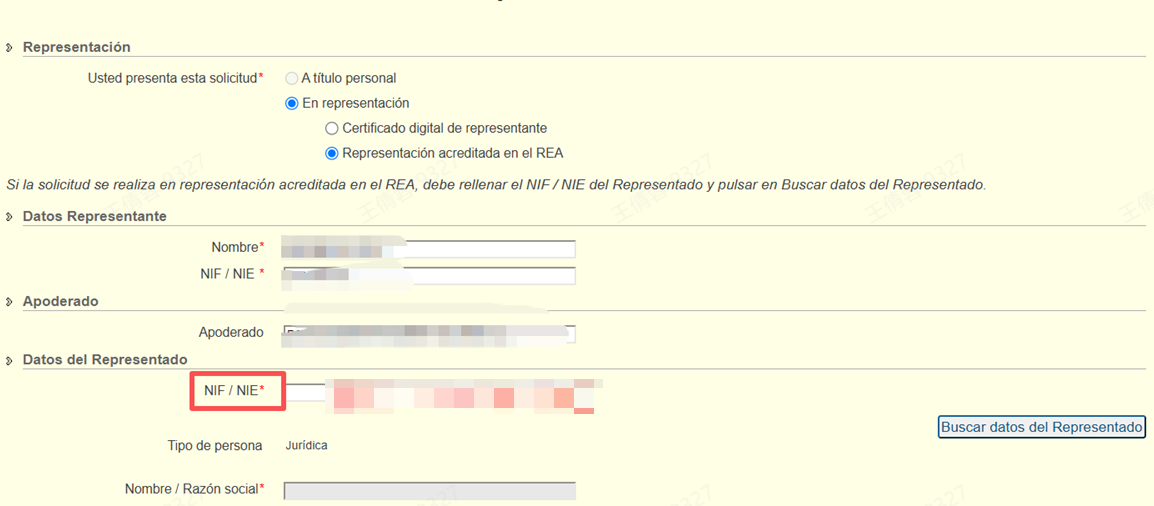
When applying through PROs, the system will automatically validate your VAT status. Applications without a valid VAT number will be rejected outright, and no official priority channels are available.
Is it necessary to revise or replace the packaging labels at present?
Sellers are not required to update packaging labels immediately. You may continue to follow the existing labelling rules of your target sales countries.
Regarding the detailed packaging labeling rules for PPWR, the EU and its member states are still in the process of further confirmation. Once there are clear updated requirements, we will notify sellers as soon as possible. Please continue to pay attention to the follow-up developments and do not blindly modify the labels to avoid extra costs.
Is registering for packaging compliance in target countries the only required step?
There are five essential compliance actions, all of which are mandatory:
1. Appoint an Authorised Representative (AR)
You can complete the appointment of an EPR Authorised Representative in one stop via VATAi.
2. Complete EPR registration in relevant countries
Register for packaging EPR in every EU member state where you first supply packaging or packaged goods. For Amazon Pan-EU operations, EPR registration is required across the five corresponding countries.
3. Ensure packaging compliance
Comply with restrictions on hazardous substances. The total content of lead, cadmium, mercury and hexavalent chromium shall not exceed 100mg/kg. For food-contact packaging, the individual PFAS level shall be no more than 25ppb, to prevent penalties for non-compliant packaging materials.
4. Prepare compliance documents
These include the EU Authorised Representative Agreement, EPR Registration Numbers, Declaration of Conformity for Packaging, and Technical Documentation (Material/Substance Test Report).
5. Cooperate with platform reviews
Upload your EPR registration numbers to seller backends and keep all compliance documents on file. Failure to do so will lead to product delisting and sales suspension.
Reminder: For countries that legally require an Authorised Representative under EU packaging regulations, our service includes AR support at no extra cost, so no separate application is needed.
Where to upload the registration number after completing registration?
Go to Performance > Account Health > Regulatory Compliance. Click Submit Compliance Information in the upper right corner, select [Extended Producer Responsibility (EPR)], then enter your registration number.
Note: You must submit the corresponding packaging registration number separately for each marketplace.
Is compliance only mandatory for FBA, and not required for FBM?
This is completely incorrect. PPWR primarily regulates the placing of packaged products on the EU market, regardless of logistics models. Whether you use Amazon FBA, FBM or other third-party logistics services, you must complete PPWR registration and fulfil EPR obligations in relevant EU countries if you sell packaged goods there.
Many FBM sellers take chances, believing they will not be the main focus of inspections. However, as the PPWR effective date draws near, regulatory enforcement across EU member states keeps tightening, and platform reviews will become increasingly rigorous. Non-compliant FBM sellers will also face penalties including product sales suspension and account restrictions. Do not take any chances.
Less than three months remain until PPWR officially takes effect. Registration reviews are now heavily backlogged in most EU countries with drastically prolonged processing times, leaving sellers with a shrinking compliance window. If you are still on the fence and have not started registration, drop any wishful thinking and kick off the compliance process immediately. Early application enables earlier approval and helps you avoid missing the deadline due to review delays. For those who have already applied, please submit all required documents in full and monitor the application progress closely to finish all compliance procedures by August 12.
Need Help with EU PPWR Compliance?
Book a free call with VATAi today to get your personalised PPWR rodamap for your e-commerce business
